
Your child has spent weeks practicing, watched countless football videos, and prolly imagined what it would feel like to pull on the jersey of a new club. Now comes the part that makes even confident young players nervous: walking onto a pitch filled with unfamiliar faces, competing for a place, and knowing that someone on the touchline is watching every move.
For parents, the temptation is to offer a last-minute masterclass on passing, shooting, positioning, and confidence before the whistle blows. But young players rarely need another lecture on the morning of a trial. They need to arrive prepared, understand what coaches are looking for, and feel confident enough to play the football they already know.
That is where the right preparation makes a difference. The best soccer tryout tips go beyond practicing a few flashy skills or scoring a spectacular goal. They help young players manage their nerves, make sensible decisions under pressure, communicate with teammates, and respond positively when something goes wrong.
So, what should your child do to earn a place on a competitive club team?
Here is a practical guide to preparing physically and mentally, impressing coaches for the right reasons, and giving your young footballer the best possible chance of enjoying the experience while showing what they can do.
1. Understand What Soccer Coaches Look for at Tryouts
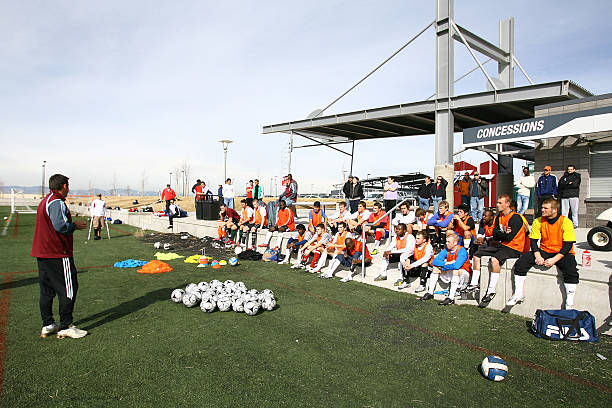
Before building a training plan, find out what the club actually wants from its players. A possession-focused academy, a competitive community club and a goalkeeper development programme may assess different qualities, even when their players share the same age group.
Most coaches consider a combination of technical ability, tactical awareness, physical readiness, decision-making and behaviour. Young players must demonstrate that they can contribute individually while understanding how their actions affect the team.
Here is what those qualities look like on the pitch.
- First touch and ball control: Can the player receive a pass without allowing the ball to escape several feet away, and can they prepare their next action with that first contact? Players who struggle to keep the ball close can benefit from targeted receiving exercises that develop a softer touch and better control.
- Passing and receiving: Can they deliver an accurate pass with suitable weight, use both feet when appropriate and offer a sensible option after releasing the ball?
- Dribbling and decision-making: Do they recognise when to take on a defender, when to protect possession and when a simple pass would help the team more?
- Movement without the ball: Do they create passing angles, find space, track runners and adjust their position when possession changes?
- Defensive work: Can they press with purpose, recover when beaten, mark opponents and understand when to tackle rather than dive in?
- Communication and teamwork: Do they call for the ball, listen to instructions, encourage teammates and remain involved when the action moves away from them?
- Coachability: Can they understand feedback, attempt a correction and maintain their concentration after making a mistake?
Coaches also assess players in context, taking account of their age, position, development and level of competition. A goalkeeper needs different technical qualities from a winger, while a central midfielder may be judged heavily on awareness and decision-making rather than the number of opponents they beat.
The aim is to understand the club’s expectations, not to turn your child into a player who tries to impress everyone simultaneously.
READ ALSO | How Guest Playing Works in Youth Soccer: Rules, Permits, and Strategy
2. Prepare Physically Without Exhausting Your Child
One of the most common mistakes parents make before soccer tryouts is increasing training volume when they should be helping their child arrive fresh, confident and physically prepared.
A player who has spent the previous week completing exhausting fitness sessions may arrive with tired legs and reduced concentration, while another who has barely touched a ball for several days may struggle to find rhythm during the first technical exercise. A short session of controlled touches at home can help players maintain their feel for the ball without adding the physical demands of another full training session.
The goal is to develop the fitness needed for repeated accelerations, changes of direction and recovery between intense actions, without adding so much work that the child begins tryout day already fatigued
Physical Preparation Checklist
- Practise dribbling with both feet, short passing against a wall and receiving the ball with different surfaces of the foot.
- Include short, controlled accelerations, changes of direction and deceleration, with enough rest to maintain good movement quality.
- Use small-sided games and age-appropriate training sessions to develop endurance while making decisions under pressure.
- Practise balance, coordination and controlled changes of direction.
- Schedule rest days and lighter sessions, particularly if your child already has school football, club training or weekend matches.
- Stop for pain, limping or unusual fatigue rather than asking your child to push through symptoms to prove commitment.
Youth football training should develop technical, tactical and physical qualities together. This is generally more useful than spending every session chasing sprint times or completing adult-style conditioning workouts.
A Simple 30-Minute Soccer Practice Session
For a child who already plays regularly and is comfortable with these activities, the following session offers focused preparation without becoming another exhausting training day.
Minutes 1-5: Warm-up and movement
Begin with easy jogging, dynamic leg movements, gentle changes of direction and progressive accelerations. Increase the intensity gradually rather than asking the child to sprint immediately.
Minutes 6-13: Ball mastery
Alternate inside-foot touches, sole rolls, changes of direction and short dribbling patterns. Encourage the player to use both feet and keep the ball within playing distance.
Minutes 14-20: Passing and receiving
Pass against a wall or with a partner, receive on the back foot where appropriate, look up before the next pass and practise moving into a new position.
Minutes 21-25: Short bursts of movement
Perform a few short accelerations with full recovery between efforts. Focus on balance, control and clean changes of direction rather than exhaustion.
Minutes 26-30: Relaxed game practice
Finish with a simple dribbling challenge, shooting activity or small-sided game that allows the player to apply the skills just practised.
This is a flexible example rather than a mandatory daily programme. Reduce or adapt the workload for younger children, beginners or players already completing substantial team training.
3. Prepare Your Child Mentally for Tryout Anxiety
Tryout anxiety in youth sports is common, particularly when children feel that their parents, teammates or coaches will judge their entire ability from a short assessment.
Some players become unusually quiet, others rush simple passes, and some attempt a difficult dribble every time the ball reaches them because they believe an impressive moment matters more than a sensible decision.
Parents can help by shifting attention towards actions their children can control, rather than promising that hard work will guarantee selection.
Teach Three Simple Mental Habits
1. Focus on the next action.
A misplaced pass should not determine the next five minutes of a player’s performance. Encourage your child to recover position, offer another passing option and move on rather than replaying the mistake in their head.
2. Use a short pre-tryout routine.
Before entering the pitch, the player might take a few slow breaths, check their equipment and remind themselves of two priorities, such as communicating clearly and making sensible decisions in possession.
3. Treat feedback as information.
If a coach asks a winger to defend more diligently or tells a midfielder to release the ball sooner, the player should attempt to apply that instruction during the next opportunity rather than interpreting the correction as a personal rejection.
Supportive adult behaviour, enjoyment and development are important parts of healthy youth sports participation. Excessive pressure can contribute to stress and burnout, making it essential for parents to encourage effort without making selection the measure of a child’s worth.
What Parents Should Say Before Tryouts
The conversation on the drive to the training ground can matter more than another hurried technical drill.
Instead of asking, “Are you going to make the team?”, try asking, “What are two things you want to do well today?” That question gives your child a manageable focus without turning selection into a verdict on their ability.
Afterwards, begin with “How did you feel out there?” rather than immediately analysing every lost ball, missed shot or decision the coach might have noticed.
Your child may already know which moments went badly, and hearing the same mistakes reviewed by a parent before they have had time to process the session rarely helps them approach the next opportunity with greater confidence.
READ ALSO | Birth-Year vs. School-Year Registration in U.S. Soccer: What Parents Must Know
4. The Final 72 Hours: Sleep, Food and Recovery
The last three days before a tryout should be about maintaining familiar routines, keeping the body fresh and avoiding unnecessary experiments.
Youth sports nutrition guidance emphasises everyday habits involving energy, hydration, recovery and appropriate pre-activity meals. These habits are more useful when established well before selection day rather than introduced at the last minute.
Three Days Before Tryouts
Complete normal, manageable training and identify any technical areas that need attention. Avoid suddenly adding long runs or demanding extra sessions that leave your child sore.
Two Days Before Tryouts
Use a lighter session with comfortable ball work, short passing and relaxed movement. This is a good time to practise receiving, scanning and decision-making without exhausting the player.
The Day Before Tryouts
Prioritise rest, prepare equipment and avoid exhausting fitness tests or unfamiliar exercises. A relaxed session with the ball is enough for most children who have trained consistently.
Tryout Morning
Eat a familiar meal, drink water regularly and leave enough time to arrive without rushing. Allow the child to settle into the environment before the warm-up begins.
After the Session
Rehydrate, eat a normal recovery meal and allow time for rest. Discuss the experience when the child is ready rather than immediately turning the journey home into a performance review.
How Much Sleep Does Your Child Need?
The American Academy of Sleep Medicine recommends:
- Children aged 6-12: 9-12 hours of sleep per 24 hours.
- Teenagers aged 13-18: 8-10 hours of sleep per 24 hours.
A consistent bedtime is generally more useful than attempting to compensate for several late nights with one early night immediately before tryouts.
What Should Your Child Eat Before Soccer Tryouts?
Choose familiar, carbohydrate-containing foods that suit the child’s appetite and the timing of the session. Suitable options may include oatmeal, toast, rice, fruit or a normal balanced meal.
Avoid forcing a large meal immediately before exercise, and do not introduce energy drinks, unfamiliar supplements or restrictive diets to improve performance.
Water is usually suitable for ordinary youth tryouts, although fluid needs depend on temperature, session length and individual circumstances. In hot weather, plan for access to drinking water and breaks, and follow the club’s heat-safety instructions.
5. What to Pack for Soccer Tryouts
A missing shin guard or uncomfortable pair of boots can create a problem that no amount of technical ability will solve once the assessment begins.
Use this checklist the evening before:
- Boots suitable for the playing surface, checked for fit and condition.
- Shin guards and long socks.
- Comfortable training clothes and weather-appropriate layers.
- A clearly labelled water bottle.
- A small towel and a change of clothes if needed.
- Any required registration documents, medical information or emergency contact details.
- Glasses or other permitted protective equipment, if applicable.
- A snack for afterwards, especially if the journey home is long.
Check the club’s instructions before leaving home, because some tryouts require specific arrival times, numbered shirts, goalkeeper equipment or advance registration.
6. How to Stand Out at Club Soccer Tryouts
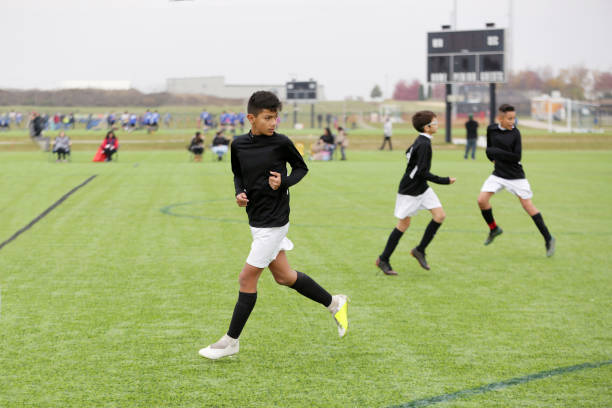
The player who catches a coach’s attention is not necessarily the one who scores the most goals during a short assessment. The quality of decisions, movement and response to instructions can reveal more about how a child will fit into a team.
Encourage your child to arrive early, listen carefully, communicate with teammates and remain involved even when the ball is on the other side of the pitch. If they lose possession, they should react promptly, attempt to recover the ball where appropriate and return to their defensive position.
Players should also resist the temptation to force a highlight-video moment every time they receive possession. A well-timed pass, a smart supporting run or a disciplined recovery can demonstrate an understanding of the game that a needless dribble would conceal.
These habits become even more valuable as players progress through competitive youth soccer, particularly for those who hope to play at college level and need to understand how the recruiting process develops over time.
If your child plays a specialist position, prepare for the responsibilities of that role.
For goalkeepers:
- Practise handling straightforward shots and positioning.
- Communicate clearly with defenders.
- Work on safe distribution and decision-making.
- Stay composed after conceding a goal.
For defenders:
- Practise body positioning and tracking runners.
- Work on accurate passing and receiving under pressure.
- Learn when to engage an opponent and when to delay an attack.
- Recover quickly after losing possession.
For midfielders:
- Scan the pitch before receiving the ball.
- Practise passing at different distances and angles.
- Learn to create passing options and move after releasing the ball.
- Understand when to retain possession and when to play forward.
For forwards and wingers:
- Practise first touch, finishing and changes of direction.
- Work on timing runs into space.
- Learn when to take on defenders and when to pass.
- Contribute defensively when the team loses possession.
Above all, remind your child that coaches assess players within the time and activities available, so no single action can guarantee selection.
7. The Complete Soccer Tryout Checklist for Parents
Use this final checklist to make sure the essential details have been covered before your child steps onto the pitch.
Preparation
- Confirm the tryout time, venue, age group and club requirements.
- Ask which positions or player qualities the coaches will assess.
- Schedule suitable practice without overloading the existing training week.
Physical Readiness
- Maintain normal sleep and recovery routines.
- Practise ball control, passing, movement and age-appropriate fitness.
- Check boots, shin guards and other required equipment.
Mental Readiness
- Discuss two controllable goals for the session.
- Remind your child that mistakes are part of football.
- Agree on a calm, supportive conversation after the tryout.
Tryout Day
- Eat familiar food and drink water regularly.
- Arrive early enough to register and warm up.
- Listen to instructions, communicate and respond to feedback.
READ ALSO | How Much Does Travel Soccer Cost? Full Financial Breakdown
The Most Important Thing to Remember
Preparing your child for soccer tryouts means giving them the physical readiness to compete, the technical tools to contribute and the mental freedom to play without feeling that every touch will determine their future.
A competitive club place can open valuable opportunities, but selection depends on squad needs, available positions, the standard of the other players and the coach’s assessment on that particular day. A child who misses out may still be developing well, and a different club or another assessment later in the season may offer a better fit.
Your job is to help your child arrive prepared, rested and willing to learn, then give them room to enjoy the football they have worked to play.
The best preparation is the kind that leaves a young player thinking about the next pass, the next run and the next chance to improve, rather than worrying about whether someone on the sideline approves of every move.